In 2015, despite advancements in automatic technology, a dedicated enthusiast base still cherished the engaging experience offered by a manual gearbox, a labor of love․
The Appeal of a Manual Gearbox
For many drivers, the appeal of a manual gearbox extends far beyond simply operating a vehicle․ It’s about a deeper connection with the machine, a feeling of control and engagement that automatic transmissions often lack․ The act of selecting the right gear for any given situation – downshifting for a corner, or choosing the optimal ratio for acceleration – creates a uniquely satisfying driving experience․
This tactile involvement isn’t just about fun; it’s about feeling the car respond directly to your inputs․ It allows for a more nuanced and precise driving style, particularly for those who enjoy spirited driving or track days․ The driver becomes an active participant in the process, rather than a passive observer․ This direct link fosters a sense of accomplishment and mastery, something many automatic drivers simply don’t experience․
Ultimately, the manual gearbox represents a purist approach to driving, prioritizing driver skill and involvement over convenience․
Decline in Popularity & Enthusiast Following
By 2015, the prevalence of manual transmissions had significantly declined in the automotive market․ The rise of increasingly sophisticated automatic transmissions – offering smoother shifts, improved fuel efficiency, and enhanced convenience – had swayed many buyers․ Modern automatics, with features like paddle shifters, attempted to bridge the gap for enthusiasts, but often fell short of the full manual experience․
Despite this decline, a dedicated and passionate enthusiast following remained․ These drivers actively sought out vehicles with manual options, valuing the control and engagement they provided․ Online forums and car clubs became hubs for this community, fostering a shared appreciation for the dying art of driving a stick shift․
This niche market helped sustain the availability of manual transmissions in select models, proving that the demand, while smaller, was still present and vibrant․
Popular 2015 Models with Manual Options
Several 2015 models continued offering manual transmissions, catering to driving purists; the Honda Civic, Mazda MX-5 Miata, Subaru WRX, and Ford Mustang stood out․
Honda Civic (2015) ‒ Manual Transmission Details
The 2015 Honda Civic offered a satisfying six-speed manual transmission on select trim levels, primarily the LX and EX models, appealing to drivers seeking a more connected experience․ This configuration was typically paired with the 1․8-liter four-cylinder engine, delivering a balance of efficiency and responsiveness․ While not a performance-focused setup, the Civic’s manual gearbox was praised for its smooth shifts and relatively light clutch pedal, making it accessible for both experienced manual drivers and those newer to the technology․
The availability of a manual transmission in the Civic allowed buyers to enjoy a lower starting price compared to the automatic variants․ It also contributed to a slightly improved fuel economy, though the difference was often marginal; Honda’s commitment to offering a manual option in the Civic demonstrated a recognition of the continued demand from driving enthusiasts who valued the control and engagement it provided, even as automatic transmissions became increasingly dominant in the market․
Mazda MX-5 Miata (2015) ⎼ A Driver’s Choice
The 2015 Mazda MX-5 Miata remained a beacon for driving purists, with the manual transmission being the overwhelmingly preferred choice among enthusiasts․ Its precise six-speed manual gearbox was integral to the Miata’s renowned handling and driver-focused experience․ The short throws and tactile feedback created a direct connection between driver and machine, enhancing the joy of spirited driving on winding roads․ Paired with the Miata’s lightweight chassis and responsive engine, the manual transmission truly unlocked the car’s full potential․
Mazda understood that the Miata’s appeal rested on its ability to deliver an unfiltered driving experience, and the manual transmission was central to that philosophy․ It wasn’t simply about performance; it was about engagement and control․ Choosing the manual Miata was a statement – a commitment to the art of driving, and a rejection of the convenience-focused trend towards automatics․
Subaru WRX (2015) ‒ Performance & Control
The 2015 Subaru WRX continued the tradition of offering a compelling manual transmission option for performance enthusiasts․ Its six-speed manual gearbox was designed to handle the turbocharged engine’s power and provide precise control during spirited driving․ The WRX’s symmetrical all-wheel-drive system, combined with the manual transmission, allowed for exceptional grip and responsiveness, making it a formidable performer in all conditions․
For many WRX drivers, the manual transmission wasn’t just a preference; it was a necessity․ It allowed for complete control over gear selection, maximizing acceleration and maintaining optimal engine speed․ The engaging driving experience, coupled with the WRX’s rally-inspired heritage, made the manual version a favorite among those seeking a truly connected and rewarding drive․ It was a car built for drivers who wanted to be actively involved in the process․
Ford Mustang (2015) ⎼ Reviving the Manual
The 2015 Ford Mustang marked a significant moment for manual transmission enthusiasts, as the redesigned model actively championed the availability of a six-speed manual gearbox․ After a period where automatics dominated the Mustang lineup, Ford listened to its dedicated fanbase and reintroduced a truly engaging manual option․ This wasn’t simply an afterthought; it was a core part of the Mustang experience for many buyers․
The manual Mustang offered a visceral connection to the car, allowing drivers to fully exploit the engine’s power and enjoy the classic muscle car feel․ It appealed to those who wanted a more involved and rewarding driving experience, and it helped solidify the Mustang’s reputation as a driver’s car․ Ford’s commitment to the manual transmission signaled a renewed appreciation for the art of driving․
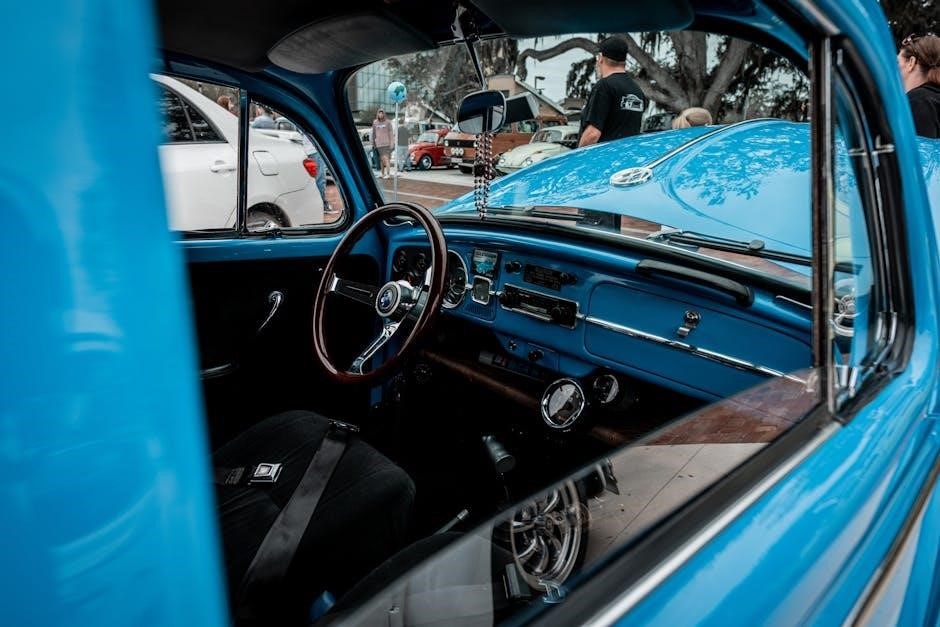
Why Choose a Manual in 2015?
In 2015, opting for a manual transmission meant embracing a more connected, engaging drive, offering greater control and a uniquely rewarding experience for enthusiasts․
Enhanced Driver Engagement
In 2015, the appeal of a manual transmission fundamentally rested on the heightened level of driver engagement it provided․ Unlike the detached feel of many modern automatics, a manual gearbox demanded active participation from the driver, fostering a direct connection with the vehicle․ This wasn’t simply about shifting gears; it was about feeling the engine’s response, anticipating the road ahead, and mastering the art of clutch control and gear selection․
This active involvement transformed driving from a passive experience into a dynamic interaction․ Drivers weren’t merely passengers; they were integral components of the driving process․ The satisfaction derived from executing a perfect downshift or smoothly navigating a winding road was a core element of the manual transmission experience, something largely absent in automated systems․ It was a tactile, visceral experience that appealed to those who truly loved to drive, making every journey more memorable and rewarding․
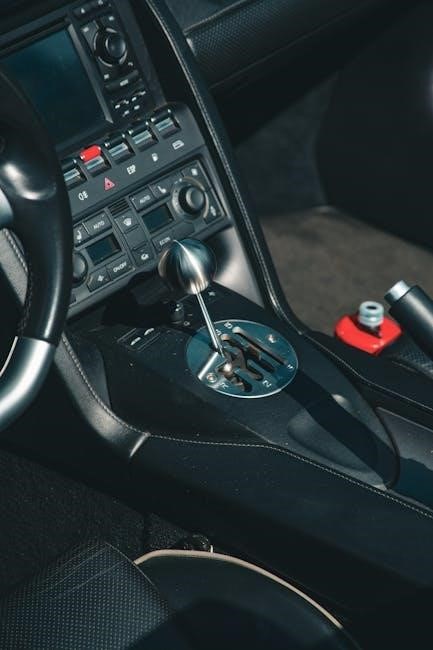
Greater Control & Driving Experience
For 2015 manual transmission enthusiasts, the benefit wasn’t just about involvement, but about superior control․ A manual gearbox allowed drivers to dictate precisely which gear the car was in, offering a level of command absent in automatic systems․ This was particularly crucial in challenging driving conditions – navigating snowy roads, tackling mountain passes, or even spirited driving on winding routes․ The ability to hold a specific gear for engine braking or to quickly downshift for increased power provided a distinct advantage․
Sports cars, especially, benefited from this control, allowing drivers to fully exploit the engine’s capabilities․ The direct link between driver input and vehicle response created a more intuitive and rewarding driving experience, fostering a deeper understanding of the car’s dynamics․ It wasn’t just about getting from point A to point B; it was about how you got there, and the manual transmission empowered drivers to truly shape that experience․
Potential Cost Savings (Purchase Price & Maintenance)
In 2015, opting for a manual transmission often translated to a lower initial purchase price compared to its automatic counterpart․ Automatics, with their complex systems, typically carried a premium․ Beyond the upfront cost, maintenance on a manual gearbox generally proved less expensive․ Automatic transmissions involve intricate components like torque converters and valve bodies, prone to costly repairs or replacements over time․
A manual transmission, being mechanically simpler, required fewer specialized services․ Clutch replacements were a predictable maintenance item, but often less expensive than a major automatic transmission overhaul․ Furthermore, skilled drivers could potentially extend the life of a clutch through careful driving habits․ While not a massive saving, these cumulative cost benefits made the manual a financially sensible choice for budget-conscious car buyers in 2015․
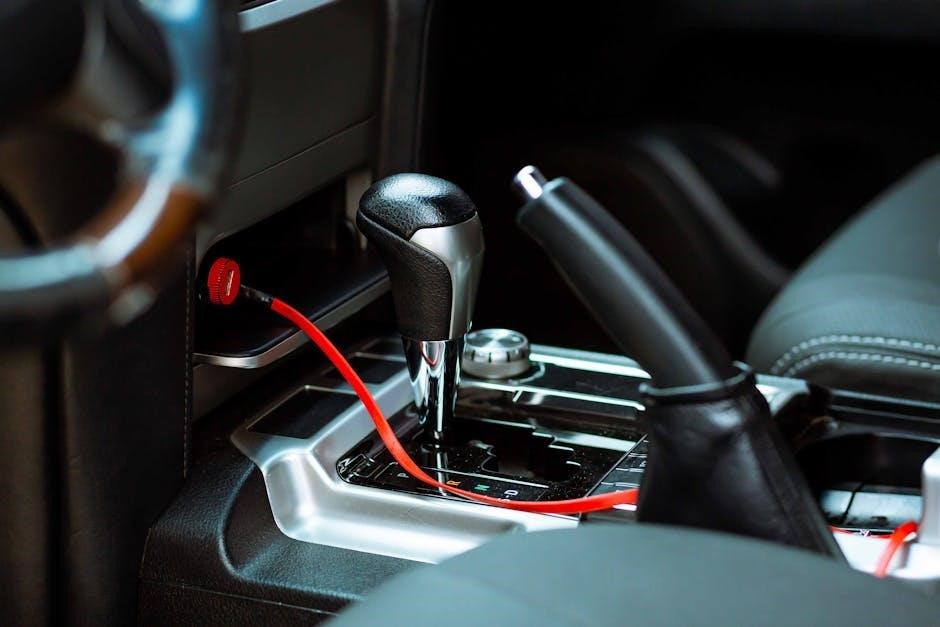
The Security Benefit: Theft Deterrent
In 2015, a surprising benefit emerged: manual cars proved harder to steal, as many younger thieves lacked the skill to operate a clutch effectively․
Manual Transmissions & Car Theft Statistics
Throughout 2015, reports surfaced indicating a correlation between manual transmission vehicles and lower theft rates, particularly among younger perpetrators․ News stories frequently highlighted instances of teenage car thieves being foiled simply because they couldn’t operate a stick shift․ This trend wasn’t merely anecdotal; it reflected a growing skill gap․ As automatic transmissions became increasingly dominant, fewer young drivers were learning to drive manual, creating a demographic less equipped to steal these vehicles․
While comprehensive, nationwide statistics specifically isolating manual transmission theft rates were difficult to obtain, law enforcement officials in various regions confirmed the anecdotal evidence․ The relative complexity of operating a manual transmission presented a significant barrier for inexperienced thieves, making these cars less attractive targets compared to their automatic counterparts․ This unexpected security feature offered a small, but notable, advantage to manual transmission owners․
Why Thieves Avoid Manual Cars
In 2015, the declining ability of younger generations to operate a manual transmission served as a surprisingly effective theft deterrent․ The core reason stems from a shrinking pool of potential thieves possessing the necessary skillset․ As automatic transmissions became the standard, driver’s education and personal vehicle ownership increasingly focused on automatics, leaving many without experience with a clutch and gear stick․
This unfamiliarity translates to a significant hurdle for quick getaways․ A thief unable to smoothly engage gears risks stalling the vehicle, drawing attention and hindering their escape․ The added complexity and coordination required to drive a manual effectively eliminates a large segment of would-be car thieves, making these vehicles less appealing targets․ It’s a simple, yet effective, form of built-in security, born from shifting automotive trends․
Performance Characteristics of 2015 Manuals
In 2015, manual transmissions offered drivers precise control over acceleration, gear ratios, and clutch engagement, impacting fuel efficiency and overall driving dynamics․
Acceleration & Gear Ratios
For 2015 manual transmission cars, acceleration was heavily influenced by the driver’s skill in matching engine speed to road speed through precise gear selection․ The gear ratios themselves varied significantly between models, impacting both initial launch and top-end speed․ Sports-oriented cars, like the Mazda MX-5 Miata and Subaru WRX, typically featured shorter gear ratios designed for quicker acceleration, prioritizing responsiveness over outright top speed․
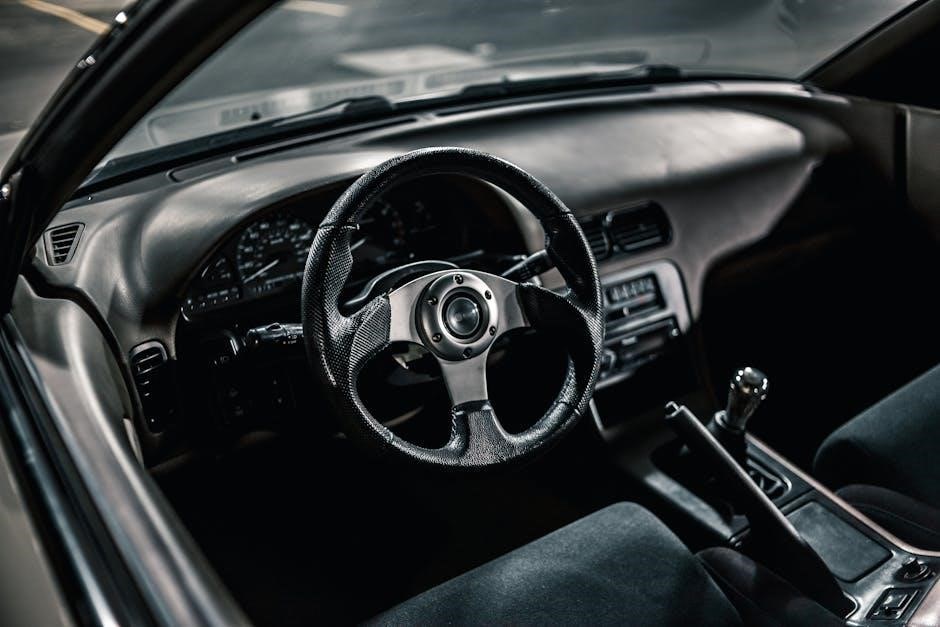
Conversely, models like the Honda Civic, aimed at broader appeal, often employed slightly taller gear ratios to balance acceleration with fuel economy and cruising comfort․ Effective use of the clutch and throttle control allowed drivers to optimize acceleration in any gear, extracting maximum performance from the engine․ The number of gears available also played a role, with six-speed manuals becoming increasingly common, offering a wider range of ratios for improved efficiency and performance․
Fuel Efficiency Considerations
In 2015, the fuel efficiency of manual transmission cars presented a nuanced picture․ While often perceived as more economical, real-world results depended heavily on driver technique․ Skilled drivers, employing smooth shifting and appropriate gear selection, could often achieve fuel economy comparable to, or even exceeding, that of automatic counterparts․ However, less experienced drivers might experience lower fuel efficiency due to inconsistent clutch engagement and improper gear choices․
Taller gear ratios, common in some 2015 models, generally favored fuel economy at cruising speeds․ Conversely, aggressive driving and frequent shifting could negate any potential fuel-saving benefits․ The availability of features like overdrive also played a role, allowing for lower engine speeds on the highway, further enhancing fuel efficiency․ Ultimately, the driver remained the most significant factor in determining the fuel economy of a 2015 manual car․
The Role of Clutch Control
In 2015, mastering clutch control was central to the manual driving experience, directly impacting performance and longevity․ Smooth engagement and disengagement minimized wear on the clutch disc and pressure plate, extending the component’s lifespan․ Effective clutch modulation allowed for precise control during acceleration, deceleration, and cornering, enhancing the driver’s connection to the vehicle․
Heel-toe downshifting, a technique favored by enthusiasts, required exceptional clutch and throttle coordination, enabling smoother gear changes and maintaining vehicle balance․ Conversely, improper clutch use – such as “riding” the clutch – led to premature wear and reduced fuel efficiency․ The feel and responsiveness of the clutch pedal varied between 2015 models, influencing the learning curve for new manual drivers․ Ultimately, proficient clutch control unlocked the full potential of a manual transmission․
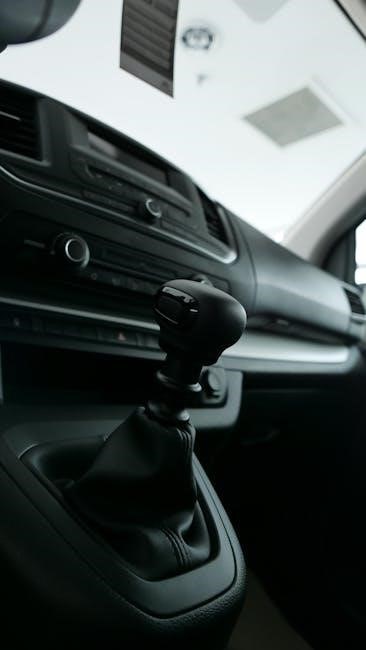
The Future of Manual Transmissions (as of 2015)
By 2015, industry trends suggested a continued decline, yet a dedicated niche market for manual cars persisted, fueled by enthusiast demand and driving purity․
Industry Trends & Predictions
As of 2015, the automotive industry was heavily focused on developing and implementing more sophisticated automatic transmissions, including continuously variable transmissions (CVTs) and dual-clutch systems․ These technologies promised improved fuel efficiency and faster shift times, appealing to a broader consumer base․ Predictions indicated a continued decrease in the availability of manual transmissions in mainstream vehicles․
However, several manufacturers recognized the value of retaining manual options in specific models, primarily sports cars and performance-oriented vehicles․ This was largely driven by the desires of driving enthusiasts who appreciated the greater control and engagement offered by a manual gearbox․ Experts anticipated that manual transmissions would become increasingly exclusive, reserved for models where the driving experience was paramount․
The rise of electric and hybrid vehicles also presented a challenge to the future of manual transmissions, as these powertrains often didn’t lend themselves well to traditional manual gearboxes․ While some experimentation with simulated manual modes in electric cars existed, it wasn’t seen as a direct replacement for the real thing․ Overall, the outlook for manual transmissions in 2015 was one of gradual decline, but with a dedicated following ensuring their survival in select segments․
The Niche Market for Manual Cars
By 2015, the market for manual transmission cars had firmly established itself as a niche, catering to a specific demographic of driving enthusiasts․ These buyers weren’t necessarily seeking the most convenient or technologically advanced option, but rather a more connected and engaging driving experience․ Sports cars, like the Mazda MX-5 Miata, heavily relied on this niche, offering manuals as a core part of their appeal․
This segment valued the feeling of control, the ability to choose gears precisely, and the overall sense of involvement that a manual gearbox provided․ The enthusiast community actively sought out models with manual options, often prioritizing them over automatics, even if it meant sacrificing some convenience․ This created a sustained demand, prompting manufacturers to continue offering manuals in select models․
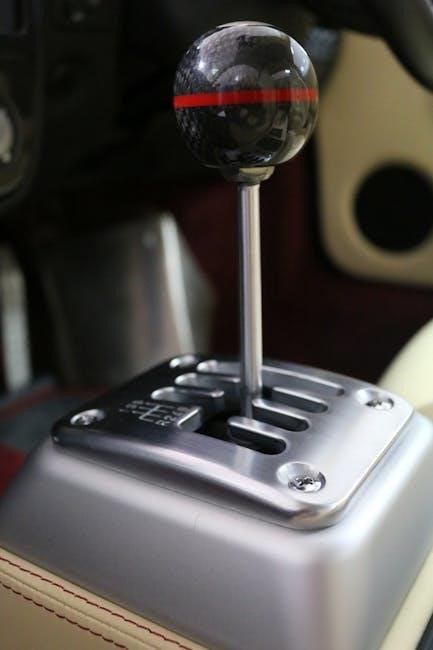
Furthermore, the increasing complexity of modern cars ironically fueled the appeal of the simpler, more mechanical nature of a manual transmission․ It represented a return to a more fundamental driving experience, appealing to those who felt disconnected from the increasingly automated world of automobiles․ This niche market ensured the survival of the manual, even as its overall popularity waned․