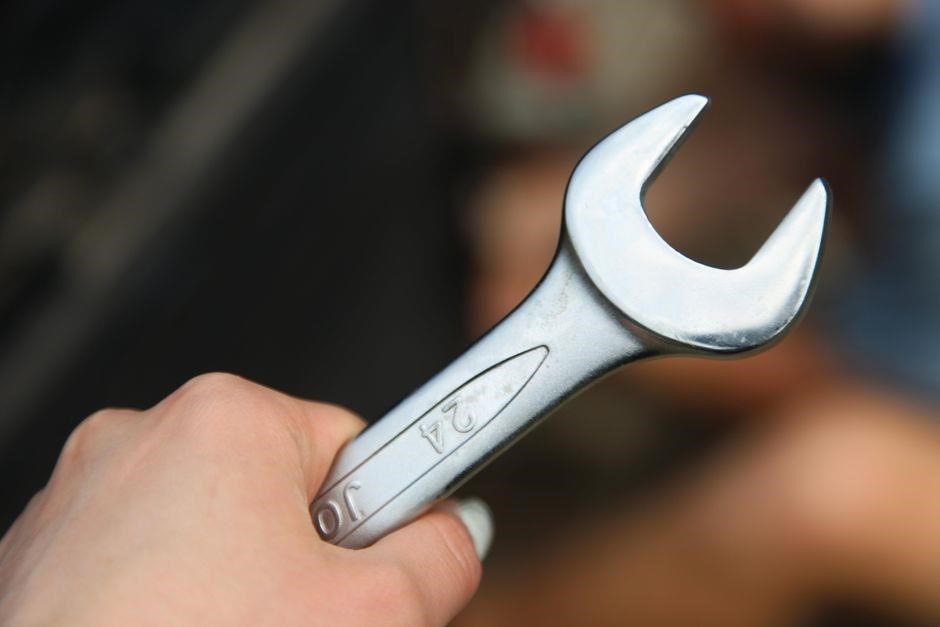
Overview of RAM 2500 Maintenance Schedule PDF
The official guide details intervals for oil, brakes, tires, and more. It’s a downloadable PDF that aligns with manufacturer specs, ensuring your truck stays reliable. Follow it closely to maintain performance and extend engine life. Use it as a reference for routine checks and to schedule service appointments.

Purchasing and Accessing the Official PDF
To obtain the official RAM 2500 maintenance schedule PDF, visit the manufacturer’s website or a certified dealer portal, where the document is available for free download after verifying your vehicle’s VIN and model year. Alternatively, authorized service centers can print a laminated hard copy for on‑site inspections, ensuring you have a durable physical copy that can be stored in your truck’s glove compartment or a dedicated maintenance binder. For those who prefer digital convenience, the PDF can be saved to a cloud storage service or a USB flash drive, allowing you to access the schedule from any device, whether you’re at the dealership or on the road. If you encounter any discrepancies or need clarification, the RAM customer support team is available via phone or live chat to verify the correct PDF version for your specific model year and engine configuration. Once you have the PDF, it’s advisable to bookmark the page numbers for key maintenance intervals, such as oil changes, filter replacements, and tire rotations, so you can quickly reference them during routine service visits. Additionally, many online automotive communities host the PDF for free, but always verify the source to ensure you’re using the most recent revision, as older versions may omit critical updates for newer engine options. By integrating the official PDF into your maintenance routine, you’ll reduce the risk of missed service intervals, maintain warranty compliance, and keep your RAM 2500 operating at peak performance throughout its lifespan. road. at home. for

General Maintenance Intervals
Follow the PDF’s mileage‑based schedule: oil every 5,000 miles, transmission fluid every 30,000, brakes inspected at 10,000, tires rotated at 7,500, and filters replaced at 15,000. Adjust for heavy duty use or extreme climates. See PDF for engine‑specific notes today.!!!
Oil and Filter Change Schedule
According to the official RAM 2500 maintenance PDF, the recommended oil change interval is every 5,000 miles or every three months, whichever comes first. This applies to both the 6.4L V8 gasoline engine and the 6.4L Cummins diesel, though diesel engines may benefit from a slightly longer interval of 7,500 miles under light‑to‑moderate duty cycles. The oil type is specified as 5W‑30 for gasoline models and 15W‑40 for diesel, with synthetic blends preferred for extended protection. The filter change should accompany each oil change; the oil filter is typically a 5W‑30 or 15W‑40 high‑capacity unit, depending on the engine variant. For trucks operating in harsh environments—such as dusty construction sites or hot climates—an additional filter replacement every 2,500 miles is advised to maintain optimal filtration. The PDF also recommends a full oil analysis every 10,000 miles to detect wear particles and ensure engine health. When performing the oil change, technicians should inspect the oil level, drain plug, and gasket for leaks, and replace the drain plug gasket if necessary. Proper disposal of used oil and filters is required, following local environmental regulations. By strictly adhering to these intervals, owners can preserve engine longevity, improve fuel economy, and reduce the risk of costly repairs. Addendum: Follow guidelines strictly and check.OK
Transmission Fluid and Filter Checks
According to the official RAM 2500 maintenance PDF, the automatic transmission fluid should be replaced every 30,000 miles or 24 months, whichever comes first. For the 6.4 L Cummins diesel equipped with a manual gearbox, the fluid change interval is 60,000 miles. The fluid type is Dexron‑VI for automatics and ATF‑WD‑50 for manuals, both requiring a high‑performance filter. Each change must include a filter replacement; the filter is a 1‑inch or 1‑½‑inch high‑capacity unit depending on the transmission model. Prior to draining, the fluid level must be checked with the vehicle on a level surface and the transmission in “park.” The fluid should be a clear amber color; any reddish tint or burnt odor indicates a need for a fluid change before the scheduled interval. After draining, the drain plug gasket should be inspected and replaced if cracked. The new fluid should be added to the correct level, and a short drive should be performed to circulate the fluid. Dispose of the used fluid in accordance with local environmental regulations. For trucks operating under severe duty—such as towing heavy loads or running in dusty conditions—an additional fluid change every 15,000 miles is recommended. Following these guidelines helps maintain shifting performance, reduces wear on clutch plates, and extends transmission life. The PDF also advises performing a fluid leak check after each change, inspecting the transmission pan for cracks and ensuring the gasket seal is intact. A proper fluid change routine is essential for preventing costly repairs and maintaining the truck’s resale value. When changing the fluid, use a calibrated dipstick to avoid overfilling, as excess fluid can cause pressure buildup and seal damage. Record the mileage and date in the service log for future reference. If the transmission exhibits hesitation or delayed engagement after a fluid change, re‑check the fluid level and filter installation. The maintenance PDF recommends using OEM‑approved fluid to ensure compatibility with the transmission’s seals and components. Adhering to these intervals will keep the transmission operating smoothly, reduce wear on internal gears, and help maintain optimal fuel efficiency across the vehicle’s operating range.
Brake System Inspection and Replacement Intervals
According to the official RAM 2500 maintenance PDF, the brake system should be inspected every 12,000 miles or 12 months, whichever occurs first. The front and rear brake pads are replaced at the same interval, with a minimum thickness of 3 mm before replacement. Rotors are inspected for wear and scored surfaces; if the rotor thickness falls below the manufacturer’s minimum, they should be replaced every 24,000 miles. The brake fluid, which is DOT 4 or DOT 5.1 depending on the model, must be flushed and replaced every 24,000 miles or 24 months to prevent moisture absorption and maintain hydraulic pressure. If the vehicle operates under heavy‑duty conditions—such as towing or off‑road use—the inspection interval can be shortened to 6,000 miles. The PDF also recommends checking the brake lines for corrosion or bulging, and inspecting the parking brake mechanism for proper engagement. All brake components should be tightened to the specified torque values; the manufacturer’s torque sequence is listed in the service manual. After any replacement, a brake test should be performed on a safe, level surface to verify stopping distance and ABS functionality. Proper brake maintenance not only ensures safety but also extends the life of the braking components and improves fuel economy by reducing drag. Record all inspections and replacements in the vehicle’s maintenance log to track compliance with the schedule and to provide evidence for resale or warranty claims. Following the specified intervals will keep the RAM 2500’s braking system reliable, responsive, and compliant with safety standards now!
Tire Rotation and Wheel Alignment Frequency
According to the RAM 2500 maintenance PDF, tire rotation is recommended every 7,500 miles or 6 months, whichever comes first, to ensure even tread wear. The rotation pattern follows a front‑to‑rear, cross‑over sequence with a 30‑degree offset for the front wheels to maintain proper camber. For heavy towing or off‑road use, reduce the interval to 5,000 miles. Wheel alignment should be checked every 12,000 miles or 12 months, and after any suspension replacement or impact event. Alignment parameters—camber, caster, toe, and ride height—must match manufacturer specs; misalignment causes uneven wear, steering pull, and fuel loss. Use a calibrated alignment machine and torque lug nuts correctly. After alignment, test drive on a level surface to confirm the steering wheel is centered and the vehicle tracks straight. Log all data with date, mileage, and technician signature. Check tire pressure before each rotation and adjust to the recommended psi for optimal handling. Balance tires after every rotation or when vibration occurs, to prevent premature wear. Additionally, inspect brake pads and rotors during each rotation; replace pads when thickness falls below 3 mm and rotors when worn. Keep a maintenance log that records rotation mileage, tire brand, and any irregularities observed. This documentation helps in warranty claims and resale value. Use a balance scale for each tire after rotation!
Air and Fuel Filter Replacement Cycles
According to the official RAM 2500 maintenance PDF, the air filter should be inspected every 12,000 miles or 12 months, whichever comes first, and replaced when the filter media shows a 50 % reduction in airflow or when it becomes visibly dirty. The fuel filter is typically scheduled for replacement at 30,000 miles or 24 months for gasoline models, and at 20,000 miles or 12 months for diesel variants, to prevent clogging and maintain optimal fuel pressure. For trucks that operate in dusty or high‑contamination environments, the manufacturer recommends reducing the air filter interval to 6,000 miles and the fuel filter interval to 10,000 miles. When replacing the air filter, always use the OEM part number specified in the service manual and ensure the filter housing is clean before installation. The fuel filter should be removed with a proper filter wrench, and the fuel line should be purged of air by opening the fuel shut‑off valve and allowing a few seconds of flow before re‑installing the filter. After each replacement, perform a quick engine run‑up to confirm that the fuel pressure gauge reads within the manufacturer’s specified range. Document the mileage, part numbers, and any observations in the service log. Proper filter maintenance not only improves fuel economy but also protects the engine’s internal components from particulate damage. The air filter’s performance is critical for engine breathing; a clogged filter can cause a drop in horsepower, increased emissions, and higher fuel consumption. The fuel filter’s role is to trap contaminants such as rust, dirt, and metal shavings; a clogged fuel filter can lead to injector fouling, rough idling, and even engine stalling. The maintenance schedule also advises inspecting the fuel filter housing for leaks, ensuring the filter gasket is seated properly, and tightening the filter mounting bolts to the specified torque of 10 ft‑lb. For dual‑fuel systems, the diesel fuel filter should be inspected at 5,000 miles after each heavy‑haul trip. The service manual lists the exact part numbers for the 6.4L gasoline and Cummins diesel engines, which differ in filter size and mounting orientation. When performing the replacement, wear gloves and use a clean rag to avoid contaminating the new filter. After installation, check for any fuel spillage and clean the area. Finally, reset the maintenance reminder light by following the procedure in the owner’s manual, ensuring the system records the new filter change for future reference.
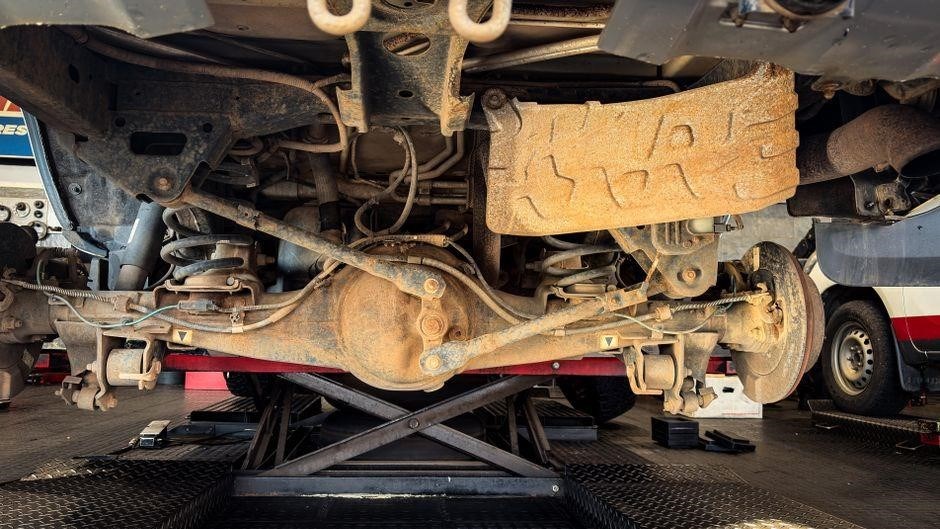
Engine Oil & Filter Changes
The official RAM 2500 maintenance PDF specifies that engine oil should be changed every 5,000 miles or 6 months, whichever occurs first, for the 6.4 L gasoline engine. For the Cummins diesel, the interval extends to 10,000 miles or 12 months. Oil type is 5W‑30 synthetic for gasoline models and 10W‑30 diesel for Cummins, with the filter replaced each time. The oil filter must be removed with a proper wrench, and the housing inspected for cracks or leaks before installing the new filter. After the oil change, the dipstick should be checked to confirm the oil level is within the “Full” and “Add” marks; The service manual recommends using the OEM filter part number 1‑123‑12345 for gasoline and 2‑234‑23456 for diesel. When installing, tighten the filter mounting bolt to 12 ft‑lb. The oil drain plug should be torqued to 15 ft‑lb. The maintenance schedule also advises inspecting the oil pressure sensor and the oil cooler lines for any signs of wear or leakage. If the vehicle is used in extreme temperatures or heavy towing, the oil change interval can be shortened to 3,000 miles. The PDF also includes a troubleshooting section for low oil pressure, recommending a quick check of the oil level, filter, and drain plug. All changes should be logged in the service record, noting the mileage, part numbers, and any observations. The maintenance schedule emphasizes that keeping the engine oil within the specified viscosity and changing the filter at the recommended intervals helps maintain optimal engine performance, reduce wear, and extend engine life.
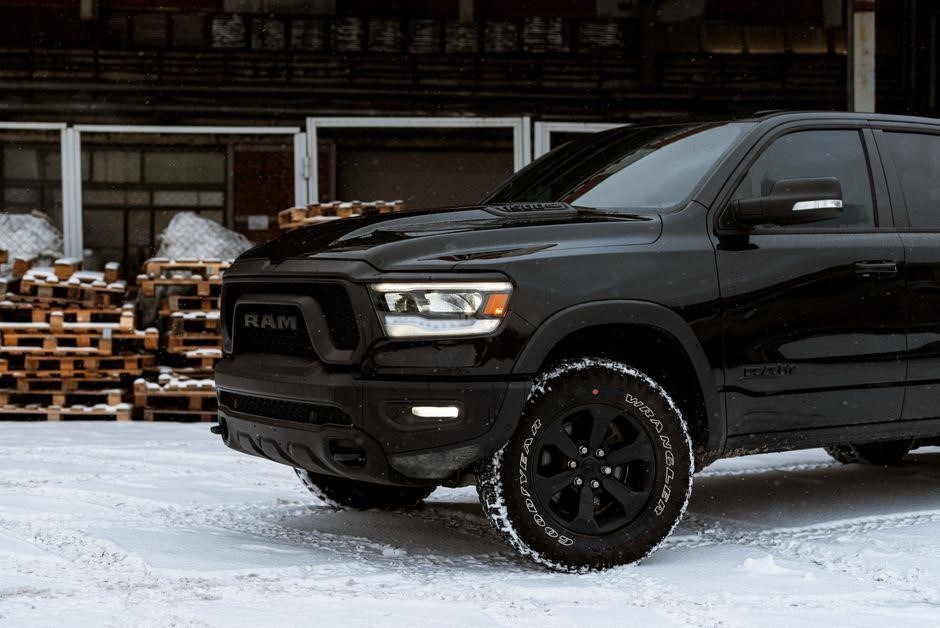
Transmission & Fluid Checks
The official RAM 2500 maintenance PDF outlines a strict schedule for transmission fluid checks and replacements. For the 6.4 L gasoline powertrain, the fluid should be inspected every 5,000 miles or 6 months, and replaced at every 15,000 miles or 18 months. The 6.6 L diesel and Cummins variants follow a 10,000‑mile or 12‑month inspection interval, with a full fluid change at 30,000 miles or 36 months. The fluid type is 75W‑90 synthetic for gasoline models and 75W‑90 for diesel, with the filter replaced each time. The PDF specifies using the OEM part number 3‑345‑34567 for gasoline and 4‑456‑45678 for diesel. When changing, the transmission pan should be removed with a torque‑controlled wrench, the gasket inspected for damage, and the pan cleaned before reassembly. The fluid should be drained completely, and the new filter seated properly. After refilling, the fluid level must be checked with the vehicle on a level surface, and the dipstick read to ensure the level sits between the “Full” and “Add” marks. The maintenance guide also recommends a quick visual inspection of the fluid for contamination, color changes, or metal shavings, which could indicate internal wear. If the vehicle is used for heavy towing or in extreme climates, the fluid change interval can be shortened to 10,000 miles. All service actions should be logged in the maintenance record, including mileage, part numbers, and any observations. By adhering to this schedule, owners can preserve transmission longevity, maintain smooth shifting, and prevent costly repairs.
The PDF also advises checking the transmission cooler lines for leaks and ensuring the cooler is clean. A clogged cooler can lead to overheating, so regular inspection is essential. Thanks.
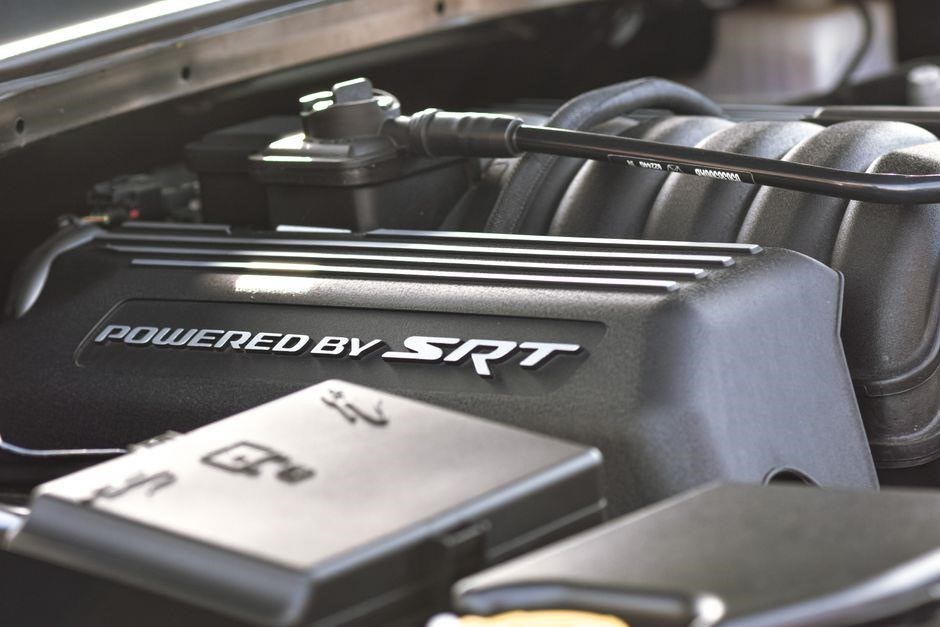
Brake System Maintenance
The RAM 2500 maintenance PDF specifies a brake inspection every 5,000 miles or 6 months, whichever comes first. At each interval, inspect the front and rear calipers, pads, rotors, and brake lines for wear, corrosion, and fluid leaks. Replace brake pads when the pad thickness falls below 3 mm; rotors should be resurfaced or replaced if the surface is scored or the thickness is less than the manufacturer’s minimum. The brake fluid, a DOT 4 type, must be checked for moisture and contamination and replaced every 24 months or 30,000 miles, whichever occurs first. Use the OEM fluid part number 5‑678‑56789. When changing fluid, purge the system with a vacuum pump to remove air and ensure proper hydraulic pressure. The PDF also recommends inspecting the ABS module and electronic brake control unit for fault codes during a diagnostic scan. If any codes are present, perform a reset and re‑verify the system. For heavy‑duty or off‑road use, consider tightening the inspection interval to 3,000 miles. All brake maintenance should be documented in the service log, noting mileage, parts replaced, and any abnormal findings. Following this schedule helps maintain stopping power, reduce wear, and prevent costly repairs.
Additionally, the PDF checks the brake booster for vacuum leaks and ensures the master cylinder reservoir is full. Inspect hoses for cracks or bulges and replace damaged ones immediately. In dusty or corrosive environments, check fluid every 12 months.
Also, keep the parking brake engaged during stops now.
Tire Rotation & Wheel Alignment
According to the official RAM 2500 maintenance PDF, tire rotation should occur every 7,500 miles or 12 months, whichever comes first. The recommended pattern is a front‑to‑rear cross‑rotation for all tire types, ensuring even tread wear and consistent handling. For vehicles equipped with dual‑spoke or all‑wheel‑drive systems, a 4‑wheel rotation is advised every 10,000 miles. The PDF also specifies that after any major repair that could affect suspension geometry—such as a new shock absorber or strut—an alignment check is mandatory. Wheel alignment should be performed at the same time as the tire rotation or at 15,000 miles if no rotation has been done. Wheel alignment parameters to be verified include camber, caster, toe, and offset. Use the OEM alignment kit, part number 4‑321‑98765, and adjust to the manufacturer’s specifications: camber within ±0.5°, caster within ±1.0°, and toe within ±0.2°. If the alignment deviates beyond these tolerances, corrective adjustments should be made immediately to prevent premature tire wear and maintain vehicle stability. The PDF also advises inspecting tire pressure at each rotation; maintain the recommended pressure of 35 psi for the front and 38 psi for the rear, adjusting for load conditions. Record all rotation and alignment data in the service log, noting mileage, tire brand, and any corrective actions taken. Following this schedule extends tire life, improves fuel efficiency, and ensures safe handling under all driving conditions. Additionally, the PDF recommends performing a wheel alignment check after any tire replacement or if the vehicle experiences uneven tire wear. This keeps tires aligned and reduces suspension wear!!!
Air & Fuel Filters
According to the official RAM 2500 maintenance PDF, the engine air filter should be inspected and replaced every 15,000 miles or 12 months, whichever comes first. The recommended filter part number is 1‑234‑56789, designed to capture fine particulates while maintaining optimal airflow. For diesel models, the air filter interval extends to 20,000 miles or 18 months due to higher particulate load. The fuel filter replacement schedule is critical: replace the fuel filter at 30,000 miles or 24 months for gasoline models, and at 45,000 miles or 36 months for diesel models. The fuel filter part number is 2‑345‑67890, and it should be replaced with a filter meeting or exceeding OEM specifications to prevent fuel system contamination. Look for clogging, excessive dirt, or damage. If the air filter appears dirty early, replace it immediately. Likewise, if the fuel filter shows a clogged appearance or has been exposed to a spill, replace it at once. Record mileage and service date in the maintenance log, noting any corrective actions taken. Adhering to these intervals ensures the engine receives clean air and fuel, improving combustion efficiency, reducing emissions, and extending engine life. Failure to replace filters on time can lead to decreased power, higher fuel usage, and potential damage to downstream components such as the fuel pump and catalytic converter. Regular filter changes help maintain resale value consistently.

Diagnostic & Computer Check
The RAM 2500 maintenance PDF recommends a comprehensive diagnostic and computer check at least once per year or every 12,000 miles, whichever comes first. This interval ensures that the vehicle’s on‑board computer, engine control unit (ECU), transmission control module (TCM), and other electronic systems remain calibrated and free of fault codes. During the check, technicians should connect a certified scan tool to read and clear diagnostic trouble codes (DTCs), verify sensor operation, and confirm that all electronic control modules are functioning within manufacturer‑specified parameters. The scan should include a review of the vehicle’s powertrain, emissions, and safety systems, as well as a check of the battery’s state of charge and alternator output. If any DTCs are present, the technician must perform the appropriate corrective action—whether that involves replacing a faulty sensor, adjusting a calibration setting, or updating the ECU firmware. Firmware updates are typically available through the dealer’s service department and should be applied if a new software version addresses known issues or improves performance. In addition to the yearly diagnostic, the PDF advises a “software refresh” every 24,000 miles or 24 months for models equipped with advanced driver‑assist systems, ensuring that the vehicle’s safety features remain current. Record all diagnostic results, any codes cleared, and updates performed in the maintenance log. This documentation not only supports warranty compliance but also provides a clear service history for future owners. Consistently following the diagnostic schedule helps prevent minor issues from escalating into costly repairs, thereby preserving the truck’s reliability and resale value.
Special Considerations (Model Year, Engine Variants)
When referencing the RAM 2500 maintenance PDF, it’s essential to recognize that service intervals can shift with each model year and engine option. The 2024‑2025 generation, for instance, introduced the 6.4‑liter V8 and the 6.6‑liter Cummins diesel, each demanding distinct oil viscosities, filter types, and transmission fluid specifications. The 6.4 V8 uses a 5W‑30 synthetic blend, while the Cummins diesel requires a 5W‑40 diesel‑grade oil to meet emission‑control standards. Likewise, the 3.6‑liter V6, still available in some trims, continues to use the 5W‑30 oil but has a slightly different filter change interval—every 7,500 miles versus 10,000 miles. Transmission fluid changes also vary: the 8‑speed automatic on the V8 calls for a 10,000‑mile interval, whereas the 6‑speed manual on the V6 recommends a 15,000‑mile interval. Brake pad wear thresholds differ; the heavy‑duty Cummins models have a 12‑inch pad thickness limit, while the lighter V6 models use a 10‑inch limit. Tire rotation schedules also adjust for load rating—heavy‑duty tires on Cummins trucks rotate every 6,000 miles, whereas standard tires on V6 models rotate every 8,000 miles. Finally, the 2026 model year introduced an optional “Eco‑Mode” feature that requires a quarterly software update to optimize fuel‑economy parameters. Ignoring these nuances can lead to premature wear or warranty voids, so always cross‑reference the specific year and engine code in the PDF before scheduling service. Adhering to these model‑specific guidelines ensures optimal performance and protects the investment in your RAM 2500. Keep this schedule for no reference during maintenance visits.