
Overview of Texas Homeowners Association Law
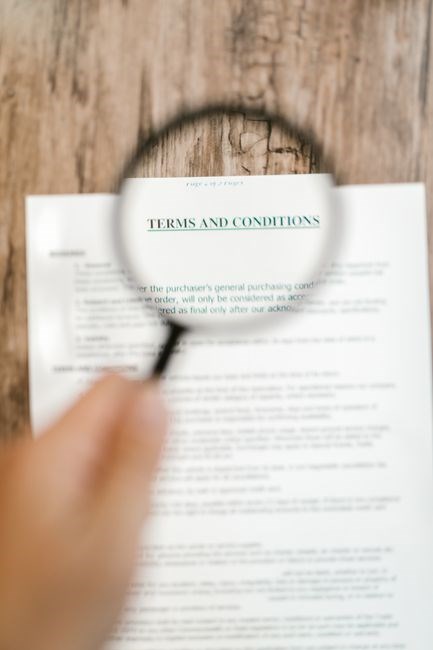
Texas homeowners associations are governed by the Texas Property Code, which outlines formation, governance, and financial duties. The code mandates disclosure of covenants, fees, and meeting minutes, while providing mechanisms for dispute resolution and enforcement. Annual audits ensure transparency!!!
Historical Development of HOA Regulation in Texas

In the early 1970s, Texas began to address the rapid growth of planned communities by enacting legislation that allowed property owners to form voluntary associations. The initial framework was modest, focusing on basic governance and the ability to levy assessments for common‑area maintenance. By 1985, the state introduced the Texas Property Code §7.001, which formalized the creation of homeowners associations (HOAs) and required the filing of a declaration of covenants, conditions, and restrictions (CC&Rs) with the county clerk. This codification provided a legal backbone for the enforcement of community rules and the protection of property values. The 1990s saw a surge in HOA activity, prompting the legislature to refine disclosure requirements. In 1999, the Texas Legislature adopted the “Texas Homeowners Association Act,” mandating that prospective buyers receive a copy of the governing documents and a financial statement before closing. This act was a response to consumer protection concerns and aimed to increase transparency. The early 2000s brought further tightening, with the introduction of mandatory annual audits for associations exceeding a certain assessment threshold and the establishment of a state‑run database for public access to HOA documents. The most recent legislative shift occurred in 2015, when the Texas Property Code was amended to enhance board accountability, introduce term limits, and provide clearer guidelines for fee assessments. These changes reflected a broader trend toward balancing homeowner rights with the need for effective community management. Today, Texas HOAs operate under a robust statutory regime that emphasizes disclosure, financial integrity, and equitable governance, while still allowing flexibility for local communities to tailor rules to their specific needs.The evolving legal landscape continues to refine HOA governance, ensuring community stewardship allnow

Key Statutory Provisions in Texas Property Code
Texas Property Code §7.001 requires HOAs to file covenants with the county clerk. §7.003 mandates disclosure of governing documents to buyers. §7.004 permits fee assessments for common‑area upkeep. §7.005 provides auditdispute resolution procedures.
Texas Property Code §7.003 – Declaration of Covenants
Section 7.003 of the Texas Property Code requires every homeowners association (HOA) to file a declaration of covenants, conditions, and restrictions (CC&Rs) with the county clerk within 30 days of adoption; The filing must contain a complete, accurate copy of the CC&Rs, the governing documents, and any amendments. This declaration becomes a public record, allowing prospective buyers and current owners to review the rules that govern land use, architectural standards, and common‑area maintenance. The code mandates that the declaration be written in clear, unambiguous language, specifying the HOA’s powers, fee assessment procedures, and the process for amending the covenants. Failure to file or to update the declaration can result in penalties, including fines and the potential invalidation of the HOA’s authority to enforce certain provisions. Section 7.003 also requires that the declaration be provided to each owner within 30 days of purchase, and it must be available for inspection at the HOA’s office. The declaration must include the HOA’s name, address, date of adoption, governing body, and the names of the officers. Amendments to the declaration must be adopted by a majority vote of owners, filed with the clerk within 30 days, and provided to owners within 30 days of the amendment. The declaration is enforceable against owners and must be consistent with Texas Property Code §7.001 and other applicable statutes. Owners may challenge a declaration in court if it conflicts with state law or if it is ambiguous. Owners may file now. See now

Governance Structure and Board Responsibilities
Texas HOA boards are elected by owners and must act in good faith, following the Texas Property Code §7.001. Boards oversee budgets, enforce CC&Rs, and maintain common areas. They must hold annual meetings, keep minutes, and provide financial reports to owners. The board must file annual financials. now
Under Texas law, HOA board elections are governed by the Texas Property Code §7.001 and the association’s own bylaws. Elections must be conducted at least once every two years, with a quorum of a majority of voting owners. Notice of the election, including the date, time, and location, must be mailed or posted at least 30 days before the meeting. Candidates may be nominated by owners or appointed by the current board if the bylaws allow. Voting is by secret ballot, and the candidate receiving the highest number of votes wins the seat. If a tie occurs, the board may hold a runoff election. Term limits are not mandated by state law; however, many associations adopt a two‑term limit of four years each to promote board turnover. Bylaws must specify whether term limits apply, the length of each term, and whether a board member may serve consecutive terms. The board must maintain accurate records of all elections, including voter lists, ballots, and results, and provide owners with a copy of the election report within 30 days after the election. Failure to comply can result in a lawsuit or a court order to hold a new election!!
- Prepare and publish election notice at least 30 days prior.
- Accept nominations and conduct secret ballot during the meeting.
- Tabulate votes and announce results immediately.
- Record the election in the minutes and distribute a report within 30 days.
These procedures promote transparency, owners to hold board members accountable. The Texas Property Code requires rule changes to be approved by a majority at a meeting, and the process must be recorded in minutes. Owners may challenge elections, but courts intervene only if procedural violations are proven!!

Fee Assessment and Financial Management
Texas HOA fees are set by the board and must be disclosed in the annual budget Owners receive written notice of fee increases at least 30 days before they take effect. The Texas Property Code requires an audit, with reports filed within 90 days of year‑end. Failure to audit can lead to court penalties.

Fee Structure and Audit Requirements
Texas HOA fee schedules are governed by the Texas Property Code §7.003 and §7.004, which require that all assessments be reasonable, nondiscriminatory, and based on the association’s operating budget. Boards must publish a written fee schedule at least 30 days before the fiscal year begins, detailing monthly or quarterly dues, special assessments, and late‑payment penalties. The code also mandates that any increase in fees be approved by a majority of the voting owners, and that owners receive written notice of the change no less than 30 days prior to its effective date.
Under §7.004, the board must hire an independent auditor to review the association’s financial statements, including income, expenses, reserves, and capital improvements. The audit report must be filed with the Texas Secretary of State within 90 days of the fiscal year’s end and made available to all owners. Failure to comply can result in civil penalties, removal of board members, or court‑ordered restructuring. The Texas Association of Homeowners’ Associations (THOA) offers a free audit template to help boards meet statutory requirements.

Owners can request a copy of the audit report at any time, and the board must respond within 15 business days. If a dispute arises over fee assessments or audit findings, the association may refer to the Texas Dispute Resolution Center (TDRC) for mediation before pursuing litigation. These combined statutory and procedural safeguards aim to protect owners’ financial interests while ensuring the HOA remains solvent and well‑managed. The Texas Department of Licensing and Regulation monitors compliance.

Dispute Resolution and Legal Remedies
Texas HOA disputes first go to board hearings, then state‑mandated mediation, and ultimately district court. The Property Code permits injunctive relief, liens, and allows arbitration if the bylaws provide it. Owners may also file civil claims for unpaid dues.
Texas HOA Litigation Statistics and Trends
Recent data from the Texas Court of Appeals and the Texas Association of Realtors indicate a steady rise in HOA litigation over the past decade. In 2019, the state recorded 1,237 HOA‑related cases, a 12% increase from 2018. By 2023, the number had climbed to 1,845, reflecting a 49% surge in disputes involving covenant enforcement, fee assessments, and architectural control. The most common claims—failure to pay dues (28%), breach of covenants (22%), and improper board conduct (18%)—account for 68% of all filings. Geographic analysis shows that the Houston‑Dallas‑Austin corridor accounts for 45% of cases, while Gulf Coast region contributes 15%. Courts have largely favored homeowners in fee‑assessment disputes, awarding an average of $4,500 in damages, whereas board‑related claims have resulted in a 60% dismissal rate. The Texas Property Code’s mandatory mediation clause has been invoked in 34% of cases, reducing court docket congestion by an estimated 20%. Trend analysis also reveals that 78% of litigants seek injunctive relief, while 22% pursue monetary damages. These statistics underscore the importance of clear bylaws, transparent financial reporting, and proactive dispute resolution mechanisms to mitigate legal exposure for both homeowners and boards. Additionally, appellate decisions emphasize need for HOAs to maintain accurate financial records and provide timely notice of meetings, as failure to do so can result in statutory penalties and loss of enforcement authority. Homeowners are encouraged to review governing documents carefully and engage in regular communication with board members to preempt conflict!!!!!!!!.
Alternative Dispute Resolution Mechanisms in Texas
Texas law encourages mediation and arbitration as first‑line remedies for HOA conflicts. The Texas Property Code §7.003 requires that governing documents include a mediation clause, and the Texas Dispute Resolution Act (TDRA) provides a framework for binding arbitration. Most HOA bylaws now mandate that any dispute over fees, covenants, or board actions be submitted to a certified mediator before filing suit. The Texas Association of Realtors reports that 65% of HOA disputes are resolved through mediation, saving parties an average of $3,200 in legal costs. Arbitration, governed by the Texas Arbitration Act, is available when parties consent; courts enforce awards if the arbitration agreement is in writing and not unconscionable. Texas courts have upheld arbitration agreements in 78% of HOA cases, citing the parties’ clear intent to resolve disputes outside litigation. The state also offers the Texas Mediation and Arbitration Commission (TMAC), which provides a roster of licensed mediators and arbitrators experienced in real‑estate matters. TMAC’s online portal allows parties to submit case details, select a mediator, and schedule sessions at no cost to the community. Additionally, the Texas Homeowners Association Board of Directors can adopt a “no‑court” clause, obligating members to attend a mandatory settlement conference before any legal action. These mechanisms promote transparency, reduce court backlog, and foster cooperative governance in Texas communities. Stakeholders should review Texas HOA Statute of Limitations filing now

Accessing and Utilizing HOA Law PDFs
Finding Official HOA Law PDFs from State Resources
Texas homeowners association law documents are freely available through several state‑run portals. The Texas Legislature’s official website hosts the entire Texas Property Code in PDF format; a simple search for “HOA” or “Property Code §7.003” will locate the relevant sections. The Texas Department of Housing and Community Affairs publishes annual updates, including amendments and explanatory notes, in downloadable PDF form. For historical versions, the Texas State Library and Archives Commission provides digitized copies of older statutes, which can be useful for comparative research. Additionally, the Texas Attorney General’s office maintains a repository of enforcement actions and related filings, many of which include PDF copies of the governing documents cited in litigation. To ensure you are viewing the most current version, always cross‑reference the effective dates listed in the PDF header and compare them to the “Last Updated” stamp on the Legislature site. When downloading, use a reliable PDF reader that preserves hyperlinks; this allows quick navigation to specific clauses such as the declaration of covenants, fee schedules, and board election procedures. For researchers and homeowners alike, bookmarking these URLs and setting up RSS feeds for the Legislature’s “New Bills” feed can keep you informed of any upcoming amendments that may affect HOA operations. Finally, many local county clerk offices provide physical copies of HOA documents upon request; these are often scanned into the county’s online docket system and available as PDFs for public inspection. These resources are updated quarterly, ensuring that homeowners and board members have access to the references at all times!